
All services

Service

Low-Voltage Cabling & Wiring

The infrastructure everything else plugs into.

Structured cabling done to standard: Cat6/6A data, coax, speaker and control wiring, pulled cleanly, terminated properly and tested so it performs for the life of the house.
What we do

  • New construction pre-wire and retrofit pulls
  • Cat6/6A, fiber, coax, speaker and control cabling
  • Patch panels, keystones and certified termination
  • Testing, labeling and as-built documentation
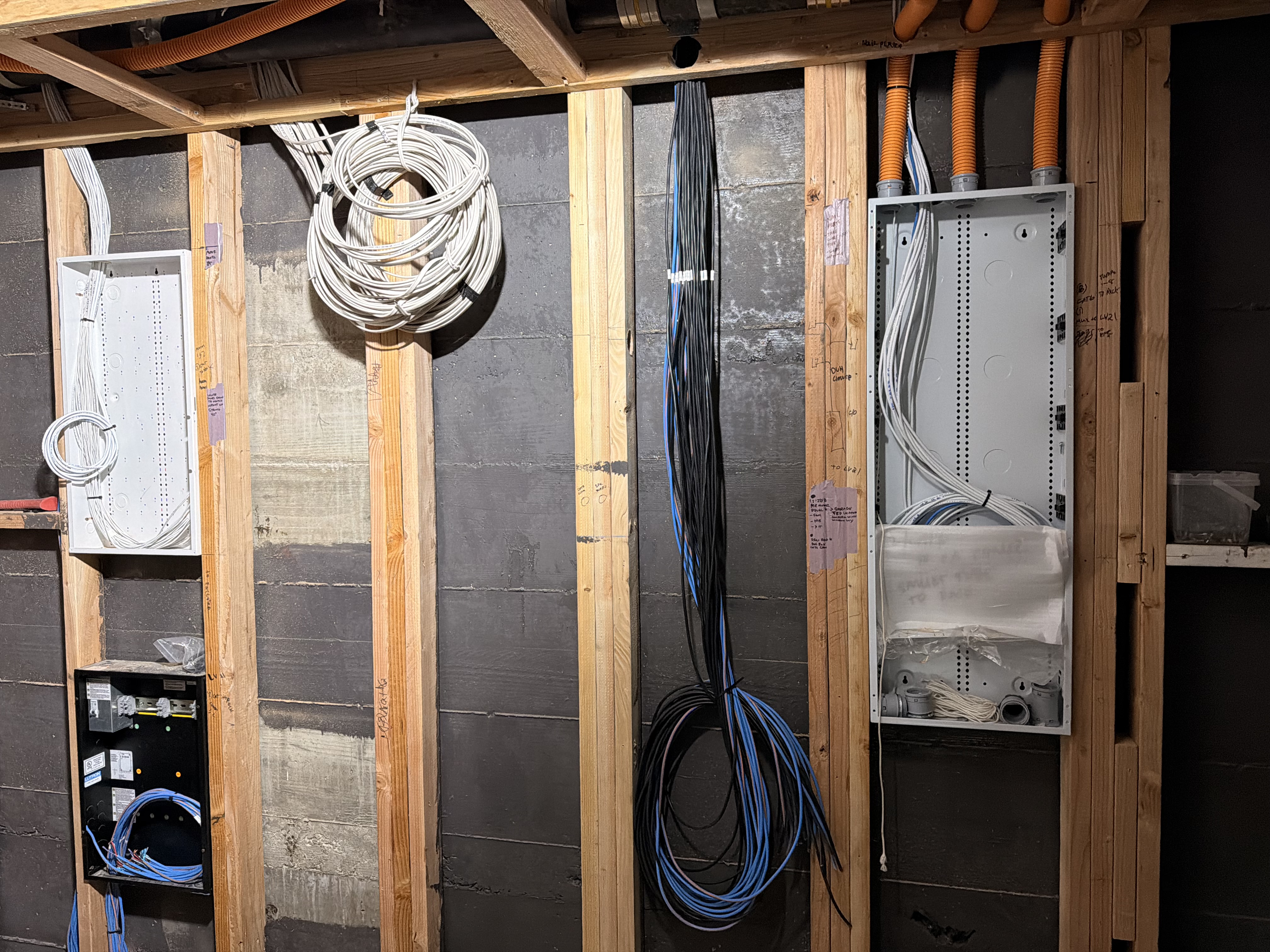
Structured low-voltage wiring inside a home wall

Every reliable smart home starts inside the walls. Wi-Fi shares the air with your neighbors; a cable does not. Structured low-voltage wiring is the permanent foundation that carries internet, TV, audio, cameras, alarm, door stations and control signals through the house — quietly, at full speed, for decades.

What low-voltage wiring actually is

Low voltage means 50 volts or less — the data and signal side of a home, completely separate from your electrical panel. It is safe, code-friendly, and it is the layer everything smart plugs into.

  • Data drops for TVs, offices, game consoles and access points
  • PoE runs that power cameras, doorbells, readers and Wi-Fi from the rack
  • Speaker wire for in-ceiling and outdoor audio zones
  • Alarm, sensor and shade control wiring
  • Coax for cable/satellite service and distribution
  • Fiber for the main backbone between floors or buildings

Why hardwiring beats wireless

Wireless is convenience; wire is performance. Anything that stays in one place should be on a cable — it frees the Wi-Fi for the devices that actually move.

  • Full, consistent speed — no sharing airtime with neighbors or microwaves
  • Latency measured in microseconds: better video calls, streaming and gaming
  • Power and data over one cable (PoE) — no outlet needed at the camera
  • Cannot be jammed or knocked off the network like a wireless sensor
  • Devices that are wired stop competing with phones and tablets for Wi-Fi
  • Better security — a cable cannot be sniffed from the street

Why owners choose whole-home wiring

Pre-wiring during construction or a remodel costs a fraction of retrofitting later, and it is the single upgrade that makes every future technology easier.

  • Future-proof: add cameras, access points or a home theater without opening walls
  • Clean finish — everything terminates in one labeled rack, nothing dangling
  • Strong resale appeal; appraisers and buyers recognize structured wiring
  • Reliable coverage in concrete, brick, stucco and multi-story homes
  • One service point when something needs troubleshooting
  • Supports work-from-home, 4K/8K streaming and 24/7 surveillance at once

How we install it

We design the drop plan with you before drywall, pull to industry standard, and finish it so it is serviceable years from now.

  • Drop plan by room, with spares at every TV and desk location
  • Cable kept clear of electrical runs to avoid interference
  • Bend radius, staple and fill-rate compliant with TIA/EIA-568 standards
  • Every run terminated on a patch panel and labeled at both ends
  • Certified and tested for continuity, wire map and throughput
  • As-built documentation handed over at completion

Cable types we install

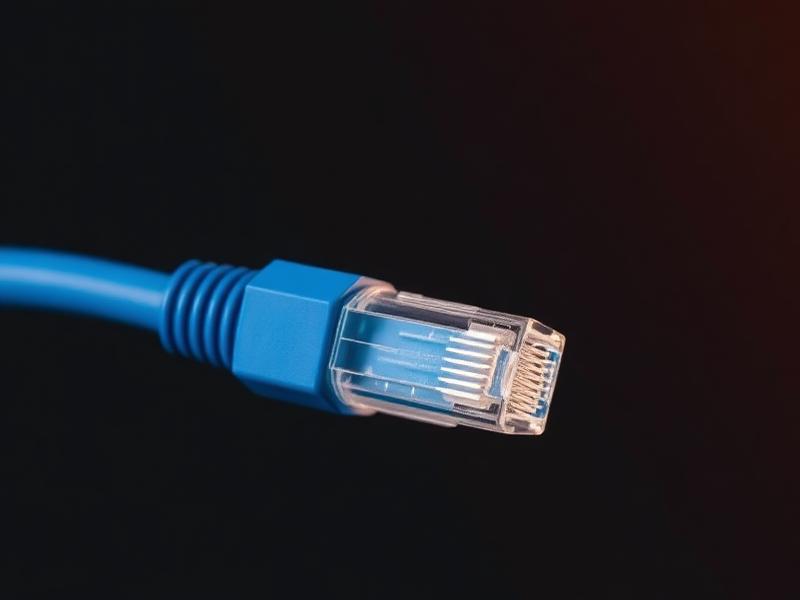
Cat6 cable

Cat6

The everyday standard for home data drops

Speed
1 Gbps at 100 m, 10 Gbps up to ~55 m
Bandwidth
250 MHz
PoE
PoE+ up to 30W per port
Typical use
TVs, desks, access points, consoles

Our baseline for standard rooms and short-to-medium runs.
Cat6A cable

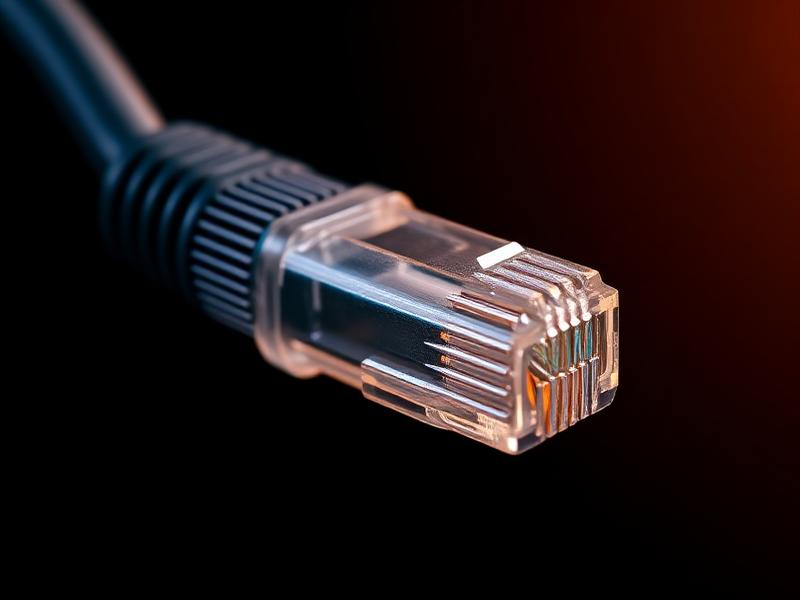
Cat6A

Shielded, full 10-gig capable, built for the long haul

Speed
10 Gbps across the full 100 m
Bandwidth
500 MHz, shielded against crosstalk
PoE
PoE++ up to 90W, runs cooler in bundles
Typical use
Wi-Fi 7 APs, cameras, offices, long runs

What we recommend for new construction — it will outlive the gear on both ends.
Fiber optic cable

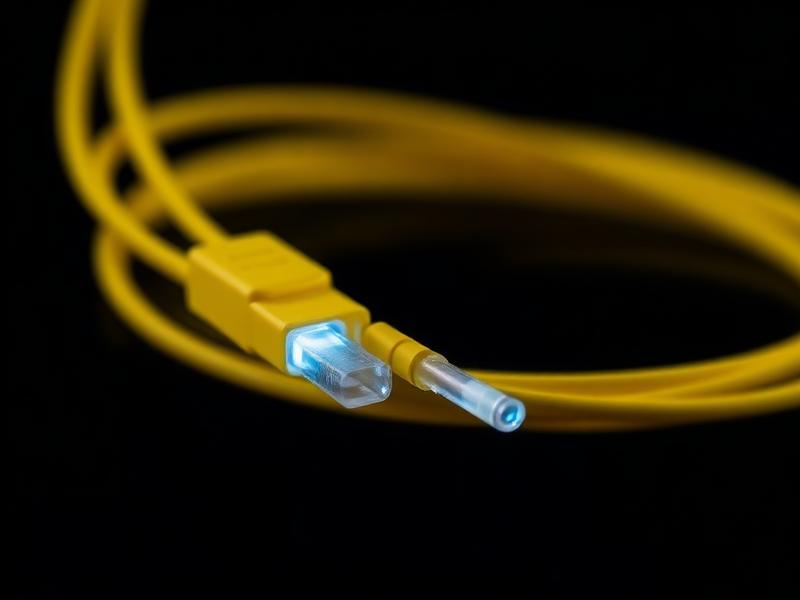
Fiber optic

The backbone for distance and multi-gig speed

Speed
10–100 Gbps, distance independent
Distance
Hundreds of meters to kilometers
Immunity
Zero electrical interference, no ground loops
Typical use
Rack-to-rack, floor-to-floor, ADUs, shops, gates

Used anywhere copper runs out of reach or a multi-gig backbone is needed.

Ready to talk about your project? Book a free site survey.